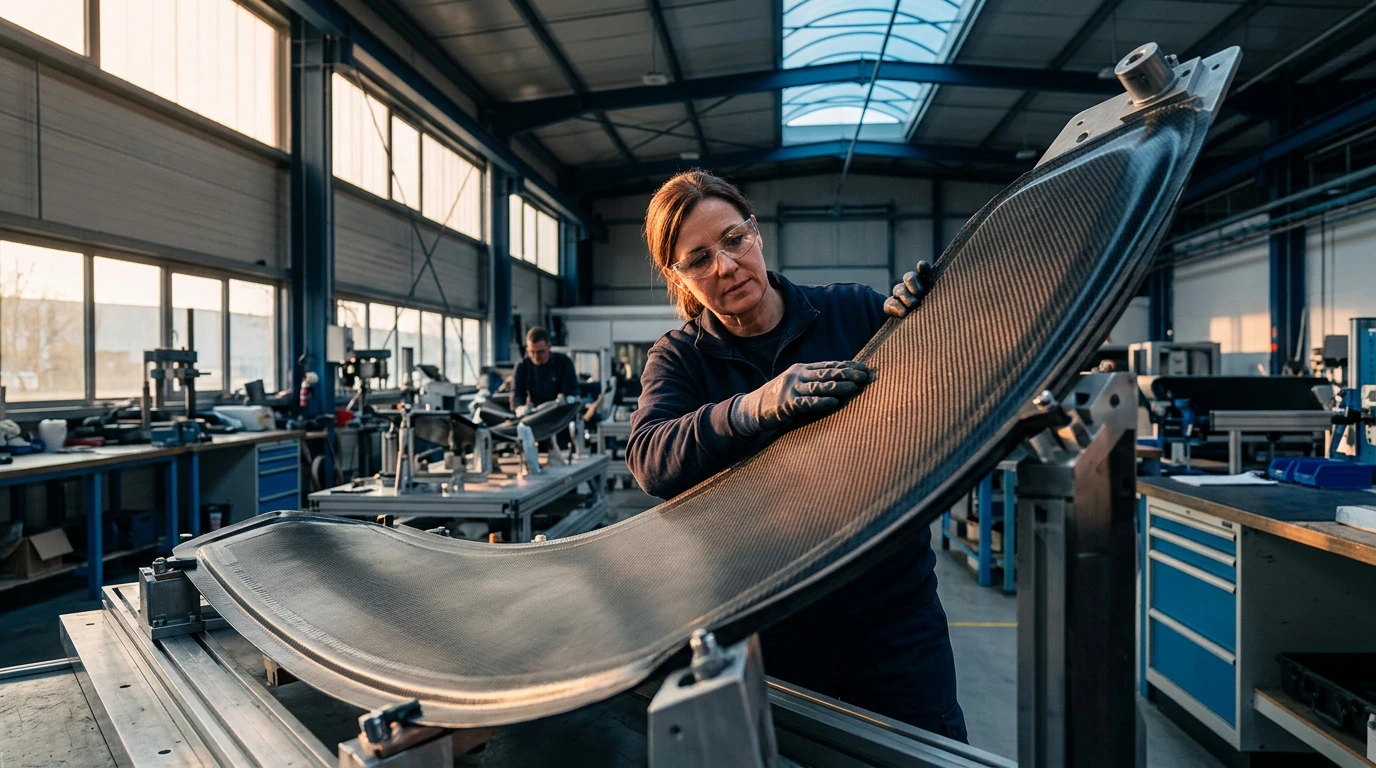
Airbus has completed the consolidation of its Cádiz operations at El Puerto de Santa María, bringing two workforces and commercial-aircraft production lines together. The 8 October inauguration marks an industrial transition with a practical question for the wider supply chain: how effectively can the reorganised site turn additional space and automation into repeatable output?
The manufacturer says employees from Puerto Real and El Puerto now form one team. The combined plant has 750 employees; that is the current workforce, rather than an announcement of 750 additional jobs. Airbus says all industrial jobs were retained during the consolidation.
More space for several programmes
The project added 4,000 square metres of industrial space, alongside land for logistics and changes to service and office accommodation. Production lines serving the A320, A330 and A350 programmes have moved into the consolidated operation.
Commercial work shares the site with components for defence programmes including the A400M, MRTT, C295 and Eurofighter. Airbus highlights carbon-fibre expertise and automation as capabilities supporting the plant's future competitiveness.
El País reports investment exceeding €90 million and says the final workforce transfers were completed in July. Its account places the formal opening after the physical relocation, an important distinction when assessing what changed this week.
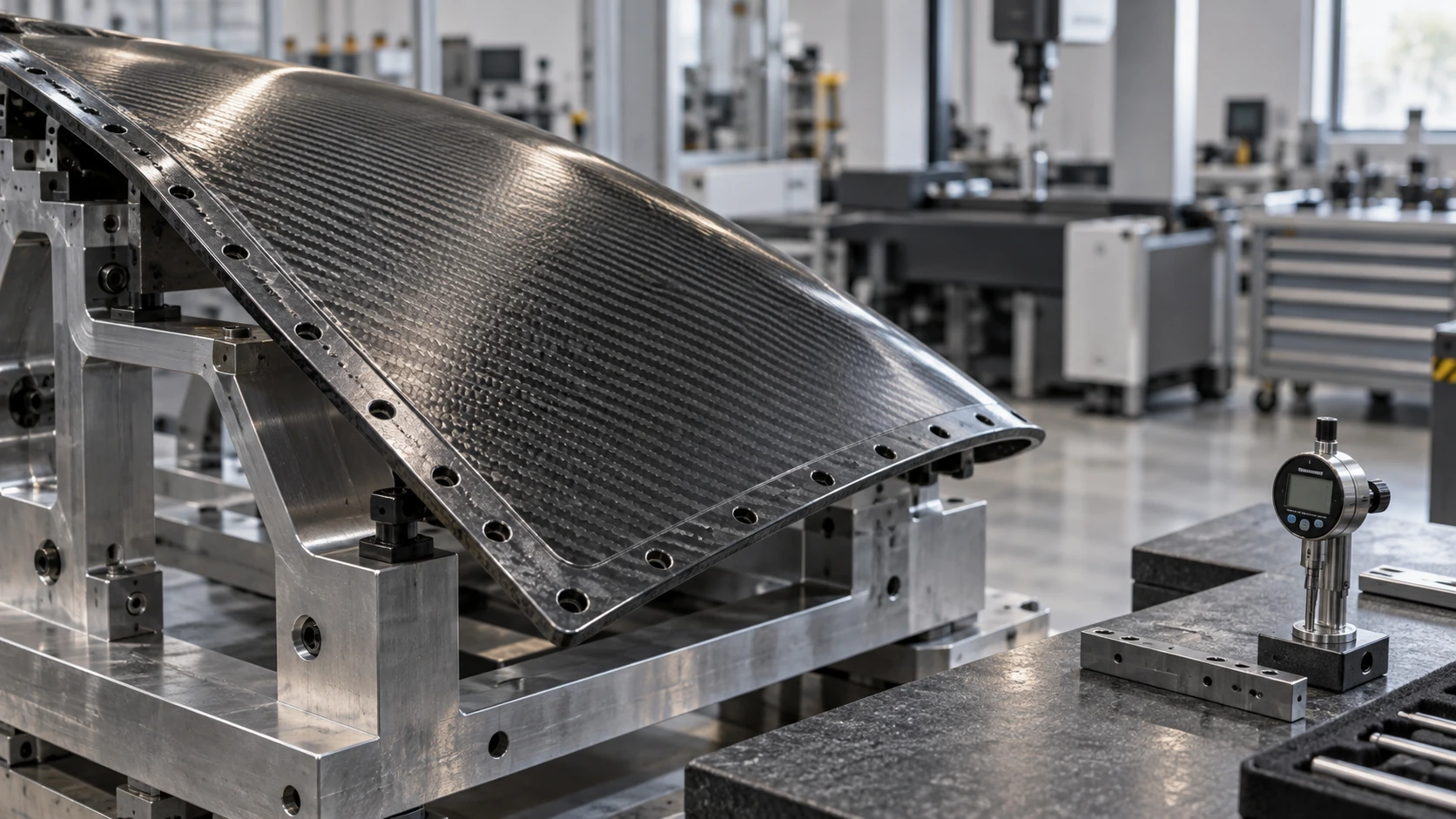
The next test is sustained output
For programme teams, consolidation brings production activity into a shared industrial setting. The operational test is whether that arrangement makes it easier to coordinate people, materials and processes as demand increases. A completed move establishes the new organisation; it does not, by itself, measure its performance.
Airbus presents the investment as support for its production ramp-up. The announcement provides no before-and-after productivity figures or measured reduction in delivery delays, so those outcomes remain to be demonstrated.
For airlines following aircraft availability, the useful milestone is therefore a manufacturing capability now in place. The next evidence to watch is sustained component output and dependable flow into assembly. New floor space, automation and retained expertise are inputs to that result, rather than a direct promise of earlier aircraft deliveries.