In Israel, Israel Aerospace Industries sees demand for passenger-to-freighter conversions shifting towards larger aircraft, according to an Aviation Week interview published on 9 October. The change matters to cargo operators and the industrial teams that give used passenger jets a second working life.
IAI aviation group executive Yaacov Berkovitz told the publication that narrowbody conversion demand had weakened after the pandemic-era surge, while the widebody segment offered a stronger outlook. He forecasts annual demand growth of roughly 3–4 per cent in the stronger segment.
A different job for an existing airframe
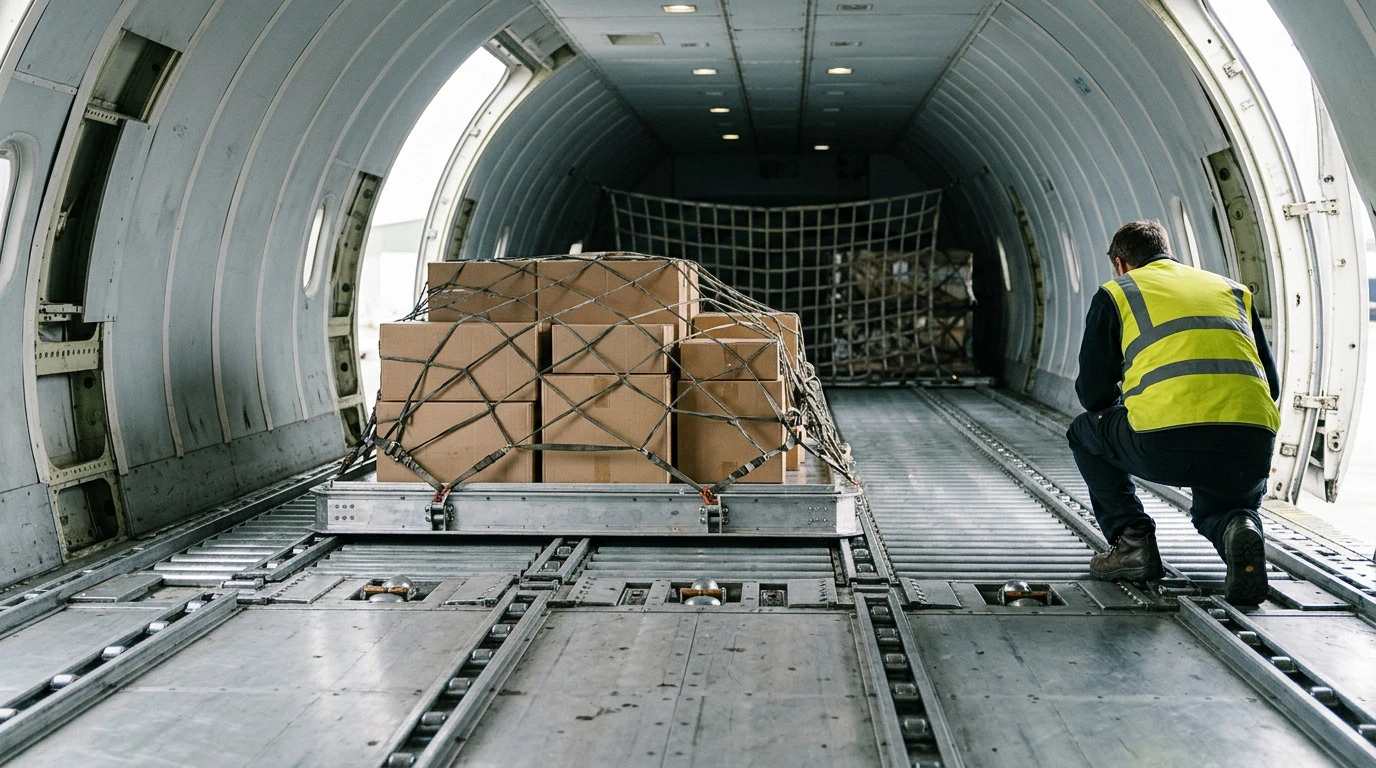
A passenger-to-freighter conversion is more than removing seats. The aircraft needs a practical way to accept cargo, move it through the main deck and secure it for flight. The value of the conversion lies in making the airframe useful for a different operating task.
IAI's A330-300BDSF programme is an example. The company announced its prototype's maiden flight on 6 September, beginning the flight-test stage of its certification work. The announcement describes a main-deck layout with room for up to thirty containers and a payload capability of up to 61 tonnes. Those are the manufacturer's programme figures.
A first flight is a development milestone. It should not be read as confirmation that the conversion has completed certification or entered unrestricted commercial service.
The details that affect loading
IAI's product description includes a powered roller loading system and a barrier arrangement designed to make useful space near the front of the cargo deck. It also describes the opportunity to combine conversion work with maintenance and avionics upgrades.
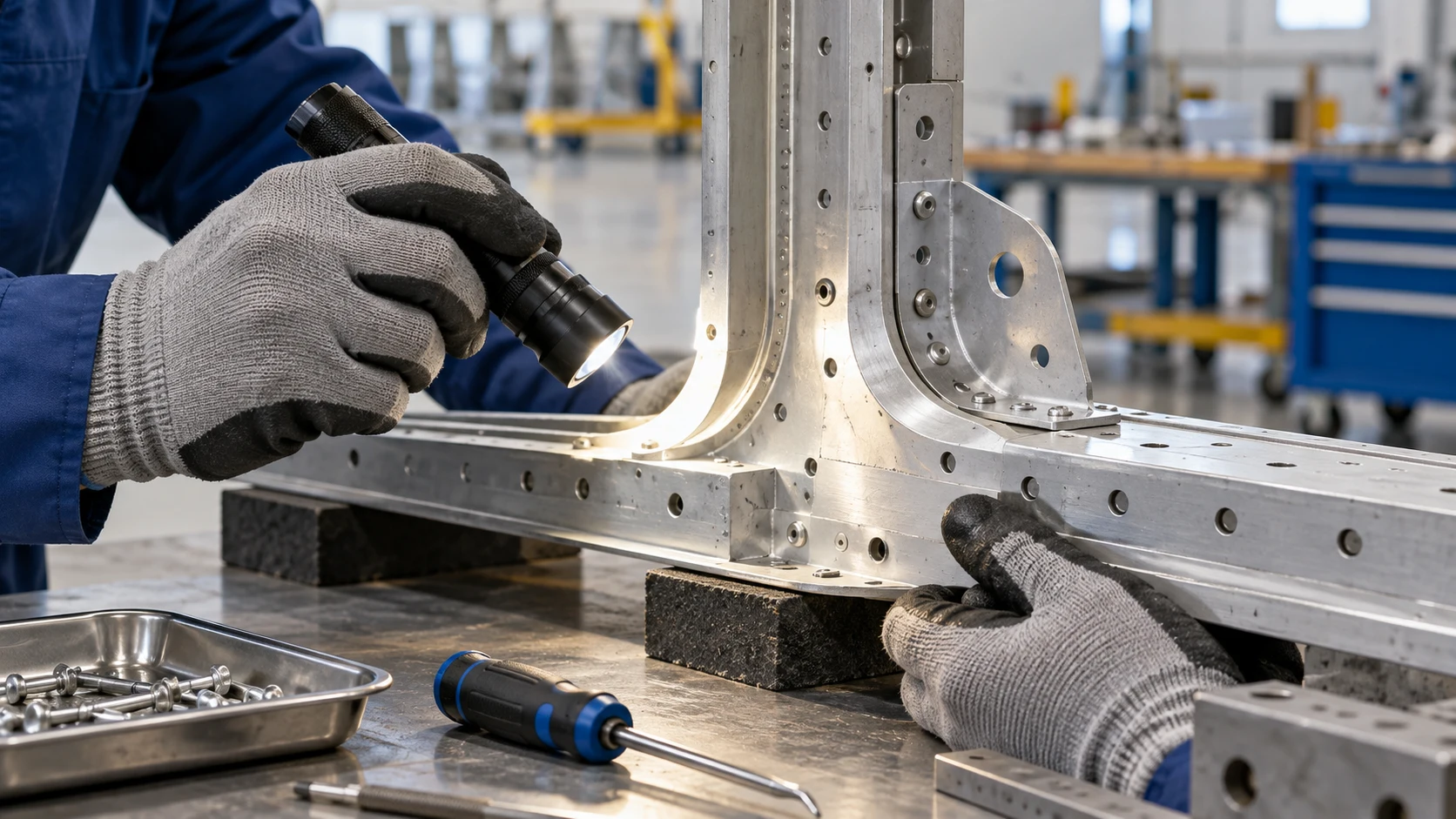
These details connect the market story to work on the hangar floor. Space, access and loading equipment influence how a converted aircraft can be used; the number of aircraft available for conversion is only one part of the business case.
The market is also segmented. A larger freighter and a narrowbody aircraft serve different capacity requirements, so weaker demand in one class does not automatically establish weaker demand across every conversion programme.
For cargo readers, the developments to watch are therefore both commercial and technical: whether operators commit to the larger aircraft IAI expects them to need, and how the A330 test programme progresses towards approval.