.jpg)
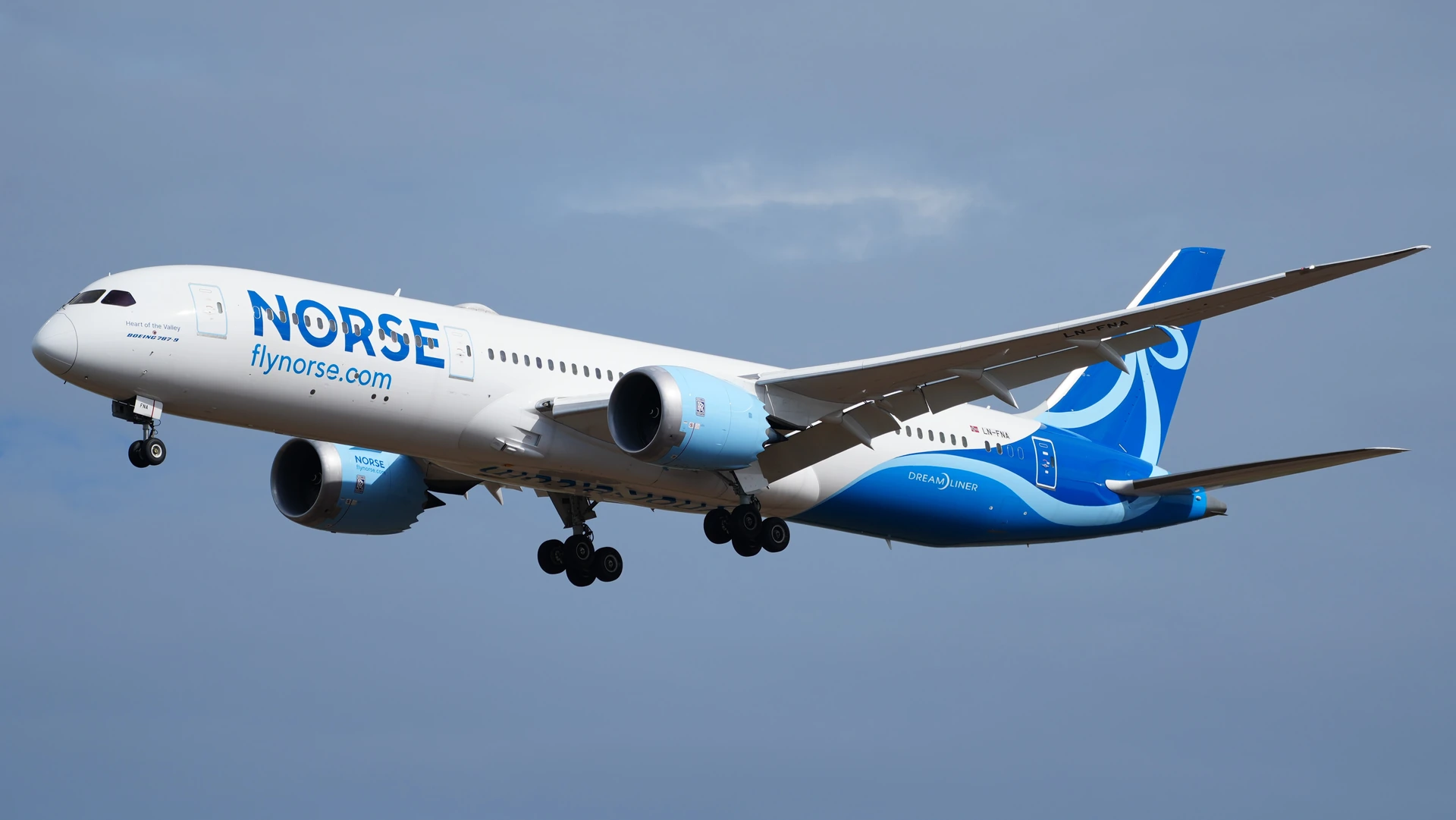
Norse Atlantic Airways carried 32% fewer passengers in September than a year earlier, even as its combined load factor reached 96.9%. The figures, released on 7 October, describe a smaller operation with a different mix of flying, rather than a simple loss of demand.
The airline reported 109,202 passengers across its scheduled network and charter or ACMI operations, compared with 161,568 a year earlier. Total revenue per available seat kilometre in its own network rose 35% to 5.8 US cents.
The flight mix is changing
Norse operated 211 flights in its own scheduled network, down from 459. Charter and ACMI flights moved in the opposite direction, rising from 66 to 177. The latter category therefore accounted for a much larger share of the reported flight total.
That matters when interpreting the headline passenger decline. A combined passenger count describes the scale of the operation; it does not, by itself, identify which commercial activity is earning the strongest return. Nor does a high load factor establish that an airline has covered its costs.
Chief executive Eivind Roald attributed the reduced capacity to prolonged high fuel prices. He said the winter programme had been adjusted towards the Far East and that Norse was pursuing further charter and ACMI opportunities.
Fuller aircraft are only part of the calculation
The two positive indicators also cover different scopes. The 96.9% load factor combines network and contracted flying, while the 5.8-cent unit-revenue figure relates to the airline's own network. Treating them as two measures of exactly the same business would obscure that distinction.
For crews and airport teams, the practical question is where the remaining flying will take place and under which programme. A change in fleet allocation can alter the pattern of work without the monthly traffic release establishing any particular staffing decision.
The next useful evidence will be the detailed winter schedule and subsequent financial reporting. September's figures show stronger revenue per unit of scheduled capacity; they do not establish higher total revenue or profit. The immediate story is a reallocation of capacity, with the commercial outcome still requiring a fuller cost picture.